Table of Contents
ToggleWhen a family member faces a serious health challenge, bringing medical support into your residence is often the safest solution. Consequently, navigating the world of home care nursing can feel overwhelming. Suddenly, families must understand complex medical terminology. They must also evaluate nursing credentials and restructure their daily lives around patient care. Therefore, understanding who qualifies for this level of care is essential for your loved one’s safety. Furthermore, you must know what specific medical services to expect and how to rigorously vet a healthcare professional. Ultimately, this guide breaks down everything you need to know to make an informed, confident decision.
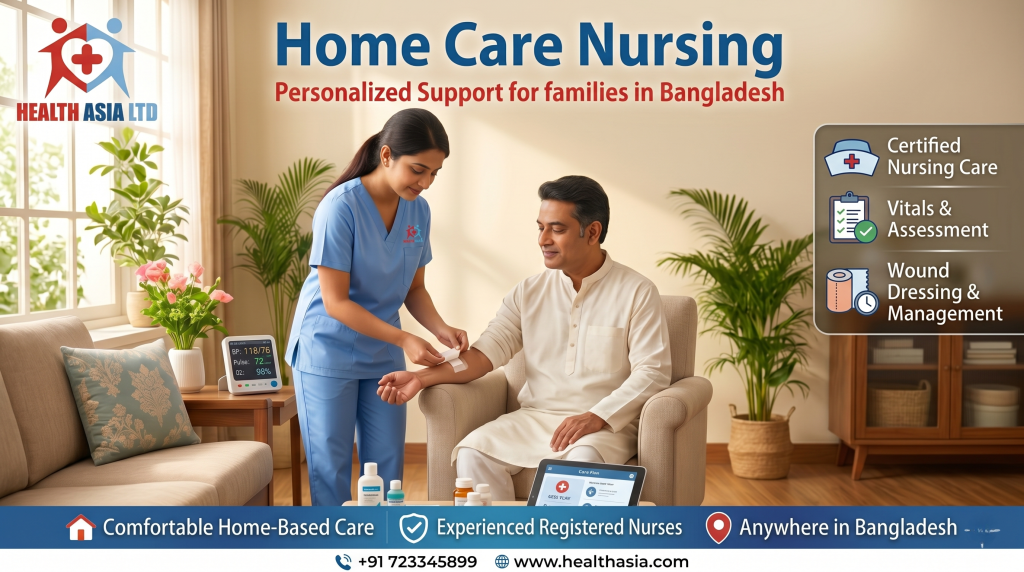
Home care nursing delivers professional, clinical-level healthcare services directly inside a patient’s residence. Rather than traveling to a clinic, the patient receives one-on-one medical attention in a familiar environment.
Medical systems design hospital care for acute, life-threatening emergencies. Furthermore, hospitals provide continuous physician intervention. However, prolonged hospital stays expose patients to hospital-acquired infections. They also cause severe psychological fatigue. Conversely, home nursing bridges this gap. It provides a highly sterilized, medically monitored environment. Most importantly, it prioritizes the patient’s emotional comfort and uninterrupted rest.
Registered, licensed nursing professionals exclusively provide this level of care. General domestic caregivers only assist with basic hygiene and feeding. In contrast, home care nurses possess formal medical degrees. Therefore, they can legally perform invasive clinical procedures.
Not every patient requires a registered nurse. Specifically, doctors recommend home nursing for individuals who are medically stable enough to leave a hospital. However, these patients still require expert clinical oversight.
Patients living with complex, chronic conditions are primary candidates. For example, this includes individuals managing severe Chronic Obstructive Pulmonary Disease (COPD) who require oxygen therapy. Additionally, patients with advanced heart failure need this care. Likewise, individuals undergoing long-term cancer treatments require specialized symptom management at home.
After major operations, patients are highly vulnerable to post-operative infections and blood clots. Specifically, this includes orthopedic joint replacements, cardiac bypasses, or spinal surgeries. Therefore, they qualify for short-term home nursing. Nurses manage surgical drains and monitor healing. Furthermore, they administer strict antibiotic regimens.
Seniors suffering from progressive neurological decline frequently qualify for nursing intervention. For instance, this applies to late-stage Alzheimer’s or severe Parkinson’s disease. Additionally, bedridden elderly patients require professional nurses. These nurses execute turning schedules to prevent pressure ulcers. Moreover, they safely manage urinary catheters.
Premature infants often require neonatal nurses at home. Similarly, babies born with congenital health issues need nurses to monitor incubators. These professionals also manage feeding tubes and track critical weight gain. Furthermore, mothers recovering from high-risk pregnancies or complicated C-sections qualify for clinical postpartum support.
Professional nursing is not a one-size-fits-all service. Instead, medical teams tailor it precisely to the patient’s discharge summary.
This is the umbrella term for high-level medical intervention. Skilled nursing involves executing specific medical directives that the consulting doctor formulates. As a result, nurses ensure they follow hospital-grade protocols in a residential bedroom.
Nurses manage everything from routine surgical incisions to severe diabetic ulcers. First, they perform sterile cleaning. Next, they apply advanced dressings. Furthermore, they can legally insert and manage Intravenous (IV) lines. This allows them to deliver hydration, antibiotics, or pain medication safely.
For patients with complex illnesses, managing a dozen different medications is dangerous. Consequently, untrained family members should not attempt it. Instead, nurses handle the exact dosing and timing of intramuscular injections, insulin, and oral medications. Ultimately, this prevents adverse drug interactions.
Nurses maintain a strict clinical logbook. Specifically, they track blood pressure, oxygen saturation, heart rate, and blood glucose levels. Then, they immediately identify warning signs of organ stress. This action prevents a full emergency from occurring.
For patients facing terminal illnesses, home nursing shifts from curative treatment to absolute comfort. Specifically, palliative nurses expertly manage severe pain and breathing distress. Furthermore, they provide deep emotional support. As a result, patients can pass with dignity surrounded by their family.
Inviting a medical professional into your home requires intense vetting. Therefore, you must look beyond a friendly demeanor and verify their clinical competence.
Never hire a nurse without verifying their medical license with the relevant nursing council. Consequently, the nurse must hold a valid, up-to-date registration. This proves they have passed board examinations. Moreover, it confirms they can legally practice clinical medicine.
Do not proceed if the provider cannot produce copies of their nursing license. Similarly, walk away if they refuse to participate in a preliminary interview. Finally, avoid providers who lack a structured protocol for documenting daily vital signs.
A professional care plan is never generic. Specifically, it should be a written document outlining exact medication schedules, dietary restrictions, and mobility goals. It must also list emergency contact procedures. Ultimately, it should act as a clear roadmap. Both the family and the nurse must agree upon this before care begins.
For families residing in the United Arab Emirates, the regulatory landscape is exceptionally strict. Consequently, this ensures world-class patient safety.
In the UAE, a nurse cannot legally practice without explicit authorization. Regional health bodies must provide this certification.
Whether in the UAE or elsewhere, always source nurses through officially registered agencies. Avoid independent freelancers. Furthermore, registered agencies guarantee that their staff holds the correct licenses. Finally, they provide critical oversight and immediate replacement guarantees.
Stop struggling to manage complex medical needs alone—contact Health Asia Ltd today to secure trusted, professional home care nursing tailored precisely to your family’s needs.
Yes. Professional agencies offer flexible scheduling. Specifically, this includes 12-hour day shifts or 12-hour night shifts. Furthermore, you can request continuous 24/7 care utilizing a rotation of licensed nurses.
Absolutely. Reputable agencies understand that clear communication is vital for patient comfort. Therefore, they will match you with a nurse who speaks your preferred language whenever possible.
First, an agency completes a clinical assessment of the patient’s needs. Following this, a professional agency can typically deploy a vetted, licensed nurse to your home within 24 to 48 hours.
Licensed professionals perform skilled nursing. Specifically, they administer IVs, manage wounds, and handle medical equipment. Conversely, attendants perform basic caregiving. They assist with non-medical tasks like bathing, dressing, and feeding.
Yes, you need a prescription for skilled clinical interventions. For example, this includes IV therapy, catheterization, or complex wound care. Consequently, a written directive ensures the nurse follows exact medical protocols.
Yes. Registered nurses are fully trained. Furthermore, they are legally certified to insert IV lines, administer intravenous antibiotics, and manage hydration drips in a home setting.
Trusted agencies perform comprehensive background checks. First, they verify national identification. Then, they cross-reference nursing degrees and active licenses with the national nursing council before offering employment.
The nurse brings their clinical expertise and a basic medical kit. However, the family usually coordinates the rental of heavy equipment. Specifically, this includes hospital beds, oxygen concentrators, or suction machines.
Yes. Many families utilize their home nurse as a medical escort. Consequently, the nurse can safely transport the patient to hospital check-ups. Furthermore, they ensure vital signs remain stable during transit.
This is exactly why hiring through an agency is crucial. If your primary nurse cannot attend their shift, the agency immediately dispatches a qualified replacement. Ultimately, the patient’s care is never interrupted.
.
Fill out the form below and our Care Advisors will get back to you with care information you need.