Table of Contents
ToggleMany people search for physiotherapy cost in Dhaka when they need treatment for pain, injury, surgery recovery, stroke rehabilitation, weakness, or movement problems. That question makes sense because every patient wants clear guidance before starting therapy.
However, physiotherapy does not follow one fixed service pattern. Your condition, treatment goal, session length, therapist experience, equipment needs, home visit requirement, and recovery progress can all influence the final service plan. A patient with mild neck pain may need a different approach from someone recovering after surgery or stroke.
Physiotherapy can help ease pain and improve movement after injury, illness, or disability. It may include exercise, manual therapy, advice, and other treatment methods depending on the patient’s needs.
This guide explains what affects physiotherapy cost in Dhaka without using any fixed price. You will learn how to compare services, when home physiotherapy makes sense, and how Health Asia can help you choose the right treatment direction.
Physiotherapy cost in Dhaka depends on several practical factors. The final plan may change from patient to patient because each condition needs a different level of care.
A person with simple back stiffness may need posture correction, stretching, and strengthening exercises. Another person with stroke-related weakness may need balance training, walking support, family guidance, and regular progress monitoring. These two cases require different time, skill, and treatment planning.
The therapist usually starts with an assessment. During this step, they check symptoms, medical history, movement, strength, balance, pain pattern, and daily activity limitations. After that, they suggest the most suitable therapy plan.
Physiotherapy charges vary because no two patients recover in exactly the same way. Age, health condition, pain level, mobility, lifestyle, and treatment goal all matter.
Some patients respond quickly to guided exercise and posture correction. Others need longer rehabilitation because they have chronic pain, surgery history, neurological weakness, arthritis, or multiple health issues.
Therapist experience also affects the service structure. A senior physiotherapist may handle complex movement problems, post-operative cases, or neurological rehabilitation with more detailed planning. A basic session may focus on simple pain relief and exercise guidance.
Clinic physiotherapy and home physiotherapy both help patients recover, but they serve different needs.
This type of physiotherapy works well when the patient can travel comfortably. A clinic may offer therapy equipment, structured exercise space, and multiple treatment options. People with neck pain, shoulder pain, knee pain, back pain, posture problems, or sports injuries may choose clinic-based care.
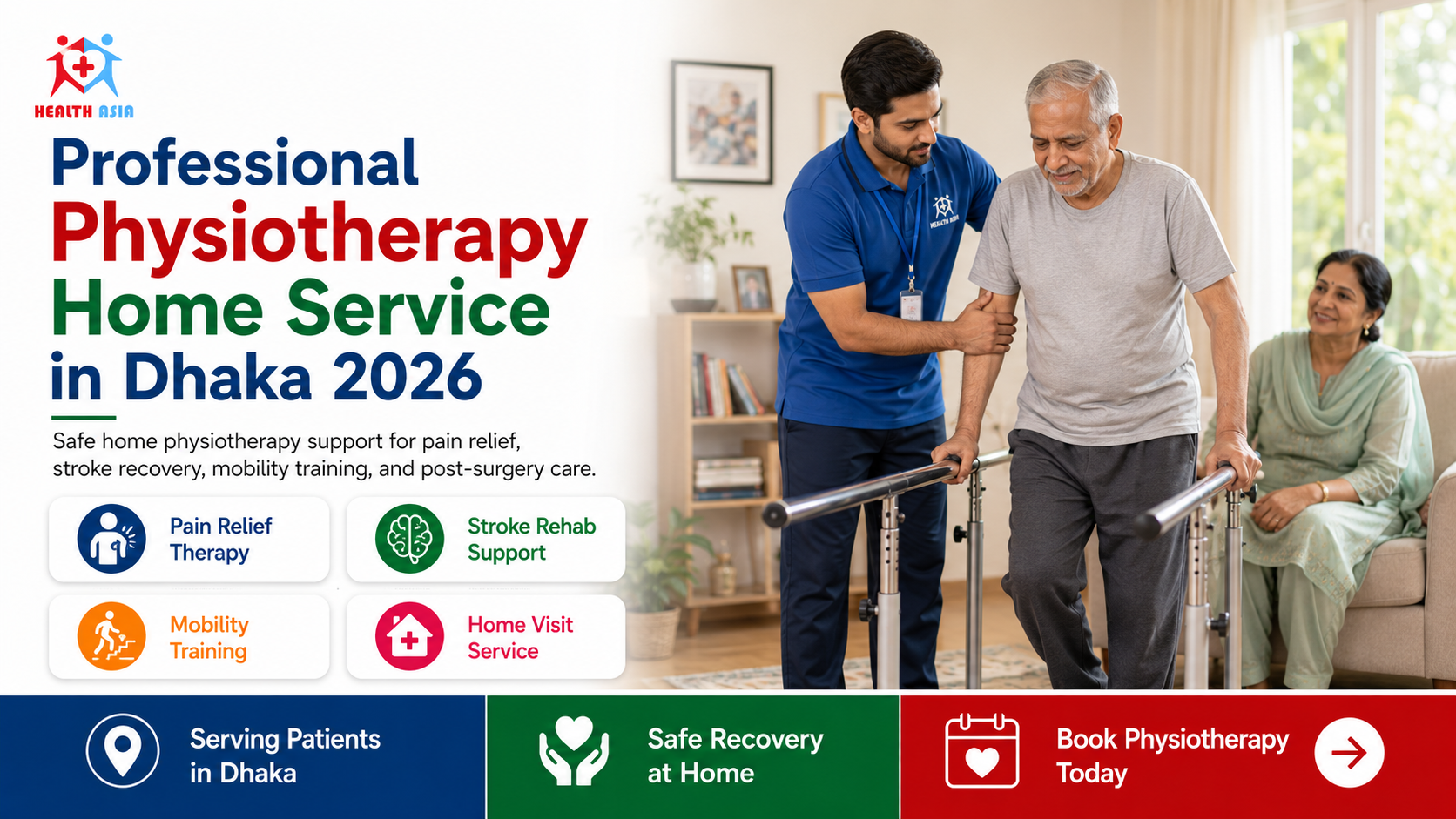
Home physiotherapy works better for patients who cannot travel easily. Elderly patients, stroke survivors, post-surgery patients, bedridden patients, and people with severe pain may prefer home visits. A therapist can also observe the patient’s home environment and suggest safer ways to move, sit, stand, and walk.
NHS guidance also notes that a physiotherapist may visit a patient at home when the patient’s condition prevents travel to a GP surgery or hospital.
Physiotherapy covers many physical problems. A good treatment plan does not only reduce pain for a short time. It also improves strength, movement, posture, balance, and daily function.
Back pain affects office workers, drivers, students, elderly people, and people who lift heavy objects. A physiotherapist can check posture, muscle tightness, core strength, and movement habits. Then they can guide the patient with safe exercises and lifestyle advice.
Long screen time, poor posture, stress, and muscle tightness can cause neck pain. Physiotherapy may include mobility work, stretching, strengthening, posture correction, and ergonomic advice.
Knee pain may happen because of arthritis, injury, muscle weakness, weight pressure, or movement imbalance. A therapist can help improve joint support through targeted exercise and safer movement training.
Stroke rehabilitation needs careful planning. A physiotherapist may work on balance, walking, strength, hand movement, coordination, and daily activity practice. Family members may also need guidance so they can support the patient safely at home.
Patients may need physiotherapy after knee surgery, hip surgery, spine surgery, fracture repair, or ligament injury. A proper rehab plan helps restore movement gradually and reduces the risk of unsafe overuse.
Sports injuries may affect muscles, ligaments, tendons, or joints. Physiotherapy helps athletes and active people recover strength, mobility, and confidence before returning to activity.
A physiotherapy session usually begins with assessment. The therapist asks about symptoms, lifestyle, medical history, pain pattern, and daily movement problems.
Next, the therapist may check strength, balance, joint movement, flexibility, walking pattern, and posture. Based on the findings, they explain the treatment plan.
Treatment may include guided exercise, manual therapy, posture correction, pain management techniques, mobility training, balance work, and home exercise advice. NHS notes that physiotherapy may include exercises, manual therapy, symptom-management advice, and treatments such as Transcutaneous electrical nerve stimulation or ultrasound depending on the case.
The number of sessions depends on your condition and progress. Some people need short-term support for mild pain. Others need longer follow-up for stroke recovery, post-surgery rehabilitation, arthritis, paralysis, or chronic pain.
A physiotherapist should review progress regularly. If pain decreases, strength improves, and daily movement becomes easier, the therapist may adjust the plan.
Patients also play an important role. Regular home exercises, correct posture, proper rest, and lifestyle changes can support better recovery.
You should not choose physiotherapy only by comparing general cost questions. Instead, focus on quality, safety, assessment, and patient care.
Choose a provider that listens to your symptoms, checks your movement, explains the treatment plan, and gives practical home exercise guidance. Avoid services that apply the same treatment to every patient without proper assessment.
For home physiotherapy, check whether the service sends trained professionals and follows a reliable schedule. Elderly patients and post-surgery patients often need careful handling, clear communication, and family guidance.
You may need physiotherapy if pain affects walking, sitting, sleeping, working, lifting, or daily activities. You may also need support after surgery, stroke, fracture, sports injury, joint stiffness, muscle weakness, or long-term back and neck pain.
Severe symptoms need medical attention first. If someone has sudden weakness, severe chest pain, breathing difficulty, loss of consciousness, or serious injury, contact emergency medical support immediately.
Health Asia helps patients and families find professional physiotherapy support in Dhaka. Whether you need pain management, injury recovery, post-surgery rehabilitation, stroke recovery support, elderly care, or home physiotherapy, Health Asia can guide you toward the right care plan.
The team focuses on patient comfort, practical guidance, and professional support. Instead of giving a one-size-fits-all answer, Health Asia helps patients understand what type of physiotherapy may suit their condition.
Need clear guidance on physiotherapy cost in Dhaka and the right treatment plan for your condition? Contact Health Asia today for professional physiotherapy support, expert assessment, and patient-focused care. Whether you need pain management, injury recovery, post-surgery rehabilitation, stroke recovery support, or home physiotherapy, our team is ready to help.
Your condition, treatment type, session duration, therapist experience, clinic or home service choice, equipment needs, and recovery goal can affect the final service plan.
Yes. Clinic physiotherapy suits patients who can travel comfortably. Home physiotherapy helps elderly patients, stroke survivors, post-surgery patients, and people with limited mobility.
Yes. A physiotherapist can assess posture, muscle strength, flexibility, and movement habits. Then they can guide safe exercises and pain management techniques.
Yes. Physiotherapy can support recovery after knee surgery, hip surgery, spine surgery, fracture repair, and ligament injury. A planned rehab program helps patients regain movement safely.
A physiotherapist can suggest a session plan after checking your condition, symptoms, movement, strength, and recovery goal.
Yes. Home physiotherapy can help elderly patients improve balance, movement, strength, and daily comfort without unnecessary travel.
Physiotherapy can support stroke recovery by working on strength, balance, walking, coordination, and daily activity practice.
Keep previous reports, prescriptions, surgery notes, and medical history ready. Also explain your pain level, daily difficulties, and treatment goal clearly.
Choose a provider that checks your condition properly, explains the treatment plan, gives home exercise advice, and tracks your progress.
Yes. Health Asia can guide patients toward professional physiotherapy support for pain management, injury recovery, elderly care, post-surgery rehabilitation, stroke recovery, and home physiotherapy.
Fill out the form below and our Care Advisors will get back to you with care information you need.