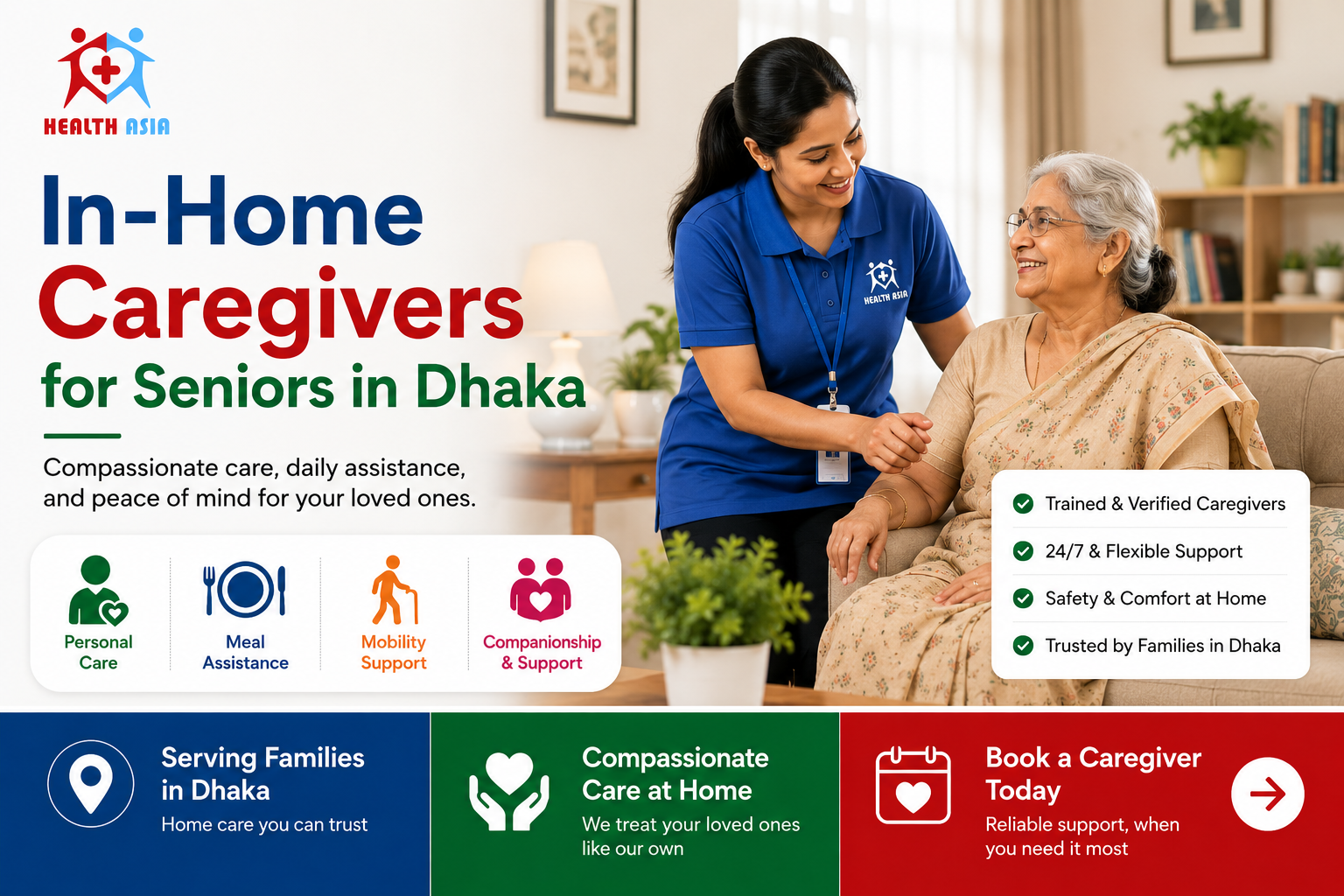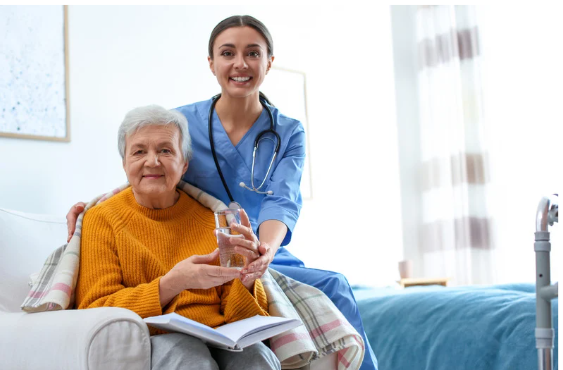

One of the most significant decisions you will make when it comes to caring for a loved one, especially as they grow older or deal with health issues, is whether to care for them at home or in a care facility. Though the first places you may think of are nursing homes or assisted living facilities, there is a growing trend toward professional caregiving at home. It provides many advantages to both the patient and the family. Professional home caregiving services offer up the winter green tea-set savior, but also come with their fair share of responsibilities. Read this detailed guide to understand why it works best for your loved ones and how to make the proper selection! We will touch on the countless benefits of in-home care, such as one-on-one attention, cost, a sense of well-being, and much more. So, how did we conclude that caregiving at home would likely give our loved one the best care possible?
Which again is one of the main reasons why professional caregiving in home circumstances can often be the best option. At an AA facility, staff have to care for several residents simultaneously. However, with home care services, a caregiver can concentrate on one person completely. This level of attention to detail will be in your best interest, ensuring that your loved one has the most personalized care possible.

In-home caregivers may then work with families to develop a unique care plan, which can be tailored to the health conditions they suffer from, their daily routines, or even personal preferences. As their medication management, bathing, or mobility requirements change, the care plan will adjust to meet those needs.
Here are a few of the types of home care services that can be personalized to meet your specific needs:
And above all, it is personal in the sense that your loved one will be treated with the dignity and respect they deserve in an environment where they are most comfortable, their own home.
Home means something different to most people. To many, home is where you are comfortable. It can significantly affect their health and emotions by having them in a relaxed setting. However, from recovering from surgeries to coping with chronic health conditions or some cognitive decline, home is where they can feel safe and comfortable.
Opting for in-home care allows your loved one to reside in a comfortable and familiar setting, where they may be more independent, allowing them to live perhaps happier and maintain their well-being as best they can.
The benefits of skilled childcare solutions in the home are immense, particularly when it comes to supporting emotional and mental well-being. People can feel very lonely and isolated when they are in a nursing facility being taken care of. The general environment, lack of real-world social interaction, and constraint to a timetable can lead to the deteriorating health of the mind.
Conversely, in-home care allows for more personalized attention, as the paid caregiver can interact with your loved one more. Many caregivers at home form deep, trusted bonds with their clients; a friendship that goes far to reduce feelings of isolation (depression and anxiety). Many caregivers include companionship care in their services, socializing with their clients, assisting with hobbies, and providing emotional support.
This area of emotional support and not feeling so alone is a key strength that the home care model has over institutional settings.
In the case of your loved one receiving professional caregiving at home, family members can stay directly involved in administering care. This amount of participation is more difficult to accomplish in a hospital or nursing home setting where visiting hours may be limited and policy often dictates what can/cannot be done.
That is the beauty behind home caregiving services. Family members are welcome to be as involved in their loved one’s care as they desire. This creates a sense of collaborative endeavor where all patients are following the same trajectory and ensures their wishes are respected.
Home professional caregivers are often viewed as extensions of the family, and those clear lines of communication can have everyone feeling at ease.
One of the primary motivations for informal home-based care is likely to be its cost-effectiveness. Although they carry a high monthly bill, nursing homes and assisted living facilities are typically more expensive than home care services (especially if your loved one does not need all-day attention).
The following are some things that help to make home care cost-effective:
This makes home care a more affordable option for long-term care, because it is generally less expensive than facility care and, in many cases, the most feasible solution to support aging family members.
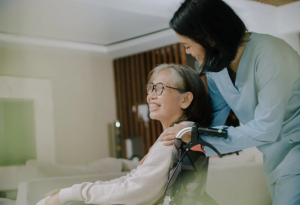
Your loved one can preserve their feelings of independence and sense of control over their day-to-day lives. That independence is necessary for their self-esteem and to make them feel whole. Many nursing facilities set strict guidelines for meals, medications, and activities on a daily schedule that may lead to frustration and feelings of helplessness in patients.
In-home care by a professional gives your loved ones control over their routine. They can continue with daily household routines, eat at their own pace, and experience more independence compared to an institutional setting.
This feeling of being in control will aid in better:
The top benefit of giving care at home is that it allows the one you love to have some independence.
Many people assume that caring for a relative at home is not as effective or as qualified as care in a specialized facility. By contrast, professional in-home caregivers are often highly trained and skilled individuals who may be certified nurses, licensed health care professionals, or specialized practitioners of some sort. Some home care agencies prefer to work with caregivers who have additional training in specialties like wound care, or physical therapy.
Additionally, some providers of home care also offer:
When you have this high level of expertise at your fingertips, it means your loved one is getting the best medical care possible while remaining in the comfort of their own home.
Opting for professional caregiving at home can be a life-altering decision as it can significantly improve the quality of life for your family member. Home care is personalized, application, and cost-effective, emphasizing emotional satisfaction as compared to institutionalized care. Having your friend or family member in the comfort of their home, among loved ones as they go through these changes ensures their sense of identity, dignity, and agronumericus.com
In summary, in-home care is a perfect option to consider when determining the type of care that your loved one needs. Anyone can physically be a caregiver, but when you opt for home health care from professionals, you are not only providing physical assistance–you are offering a quality of life and ensuring your loved one receives the attention, respect, and energy they deserve.